
Social Thinking Summer Resources


Browse Our Summer Resources!
articles, thinksheets, and activities to support social learning this summer
Social Learning Doesn’t Take a Summer Break: Resources to Support Growth All Season Long
Summer brings sunshine, popsicles, and the relief of time off. But for many students and their parents, it can also bring a whole new set of challenges. Changes in routines, more unstructured time, travel, or just the emotional shift from “school mode” to “summer mode” can leave kids feeling off-balance.
The good news? Summer is a fantastic time to build social and self-awareness skills in a low-pressure environment. We’ve got great resources to guide you!
Start with Be a Social Detective… on Vacation!, which turns trips and new environments into fun opportunities to spot social clues and hidden rules. If boredom hits, Summer Boredom: A Path to Awareness, Curiosity & Action helps kids turn “I’m bored” into meaningful self-reflection.
Unstructured time can challenge executive functioning, so check out Executive Function Tips for Summer Break for ideas on how to stay organized and flexible. Traveling? Travel Tips to Support Social Communication has easy strategies to reduce stress and boost connection along the way.
Summer is also a great time for deeper self-awareness. Teaching Students About Their Learning Strengths and Challenges encourages kids to see their brains as unique and capable. The Social Observation Strategy: Doors offers a simple tool to build curiosity about the world around them and help them figure out the situation. And Wrapping up the School Year with Social Thinking reminds us all that social learning is a journey—not a destination.
With these resources, and a little intention, even the summer months can help kids build self-awareness, social observation, and executive function skills.
Digital Downloads
Looking for quick, ready-to-use activities? Our printable downloads and Thinksheets (thinking-based lesson plans) make it easy to extend your teaching and build real-world connections without a lot of prep work. These resources are designed for small groups, summer camps, therapy sessions, classrooms, or home, with activities kids can work on independently or together. From reflection prompts to hands-on lessons and discussion-based activities, these downloads are a great way for kids to learn away from screens.
Free Articles & Downloadables
The free downloadables & thinksheets below are designed to be used with both neurotypically developing individuals and those with social learning differences and/or challenges.
Read the full article for more information about the downloadable.
Thinksheets are thinking based lesson plans that encourage people to share, connect, and engage in rich discussion. Use these to help children or students reflect and learn about themselves and the social world around them.
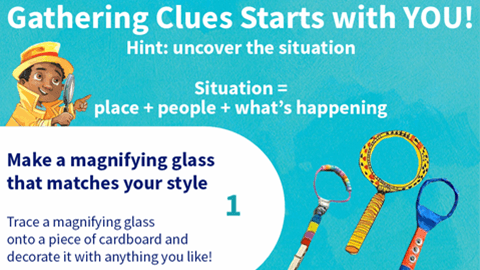
Be a Social Detective on Vacation!
Discover how visiting new and unfamiliar places provides countless opportunities for everyone to improve their social observation smarts and figure out the hidden rules by downloading the Gather Clues Infographic and downloading a magnifying glass to help your family practice observing the situation in stealth mode.
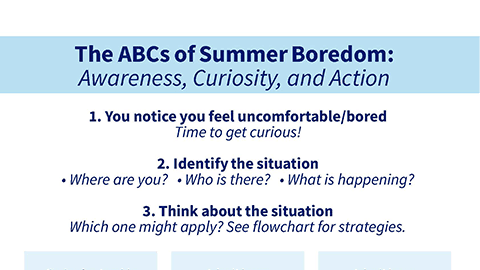
ABCs of Summer Boredom
Summer is a season of fun and new experiences, but we often face the unexpected companion of boredom, which holds valuable information. Recognizing the signs of boredom is the first step toward transforming it into something more fulfilling by getting curious about the reasons behind the feeling and downloading and using the following flowchart.
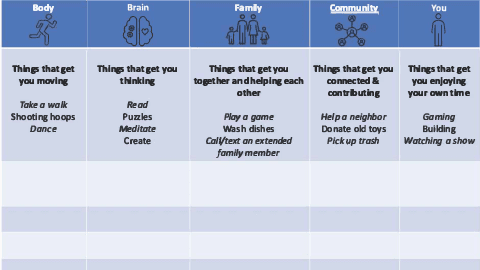
Menus of Options Chart
Discover strategies & tools to help kids and their families connect and collaborate to reduce the stress and anxiety that unstructured time and change in routine might cause. Creating the menus together with your child not only supports collaboration but also empowers them with a sense of ownership and their own choices. Download the Menus of Options Chart Example.
Vacation Tips & Strategies
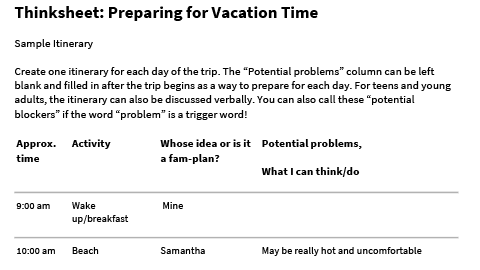
Summertime is traveling time. And while travel can be exciting and fun for many, it can be stressful for individuals with social learning differences, difficulties, or disabilities and their travel companions. Learn about some common travel stressors and tips for a more pleasant trip for all. Download the Preparing for Vacation Time Sample Itinerary.
Teaching Students About Their Learning Styles
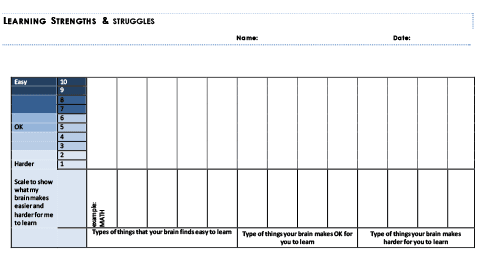
Teaching students how to understand their learning strengths, differences, and struggles helps them use their overall abilities to learn new strategies related to their struggles. To save explaining it all with words, download the Learning Strengths and Struggles handout for students to create their own individualized chart.
DO ObseRve (DOOR)
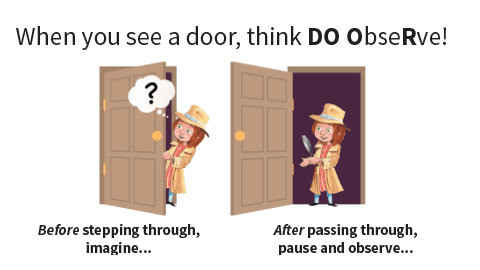
Discover how everyday doors serve as visual cues for transitioning into new situations and teaching foundational social observation competencies by downloading the DO ObseRve (DOOR) Thinksheet to help students, children, and clients imagine the situation, gather information, and make smart guesses before entering a new space.
Wrapping up the School Year with Social Thinking
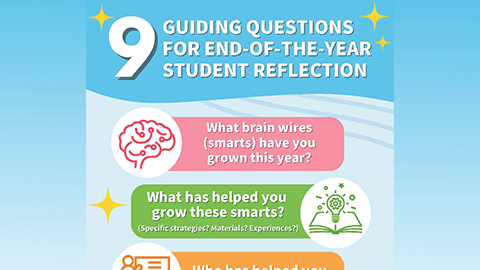
Discover how to use the end of the school year to intentionally reflect on student progress and identify the strategies and supports that can help them launch into the next transition by downloading the 9 Guiding Questions for End-of-the-Year Student Reflection.
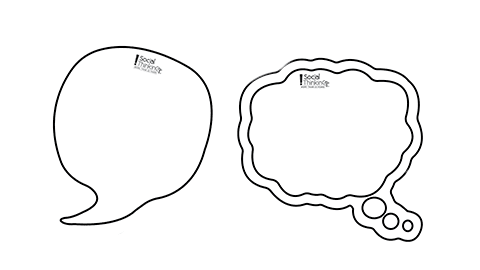
Thought & Speech Bubble
Thought bubbles & speech bubbles have endless uses, especially when discussing how what we do and say impacts one another in the moment. The reality is that conversations are not concrete; the words are spoken, and then poof, they’re gone! Some individuals need help thinking about what others around them are thinking and feeling. Download the Thought and Speech Bubbles and read the article for teaching ideas.
Free Thinksheets
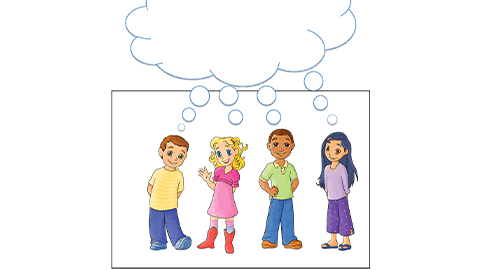
The Group Plan
When everyone is thinking about and doing the same thing, we call it the group plan. Anything we do together is a group plan!
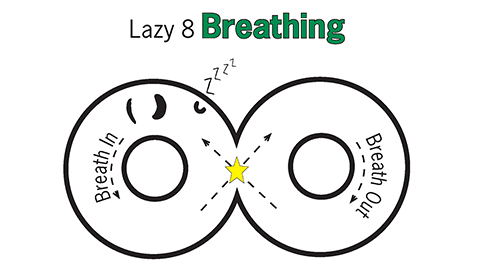
Reproducible T
This Lazy 8 Breathing visual tool offers a simple, hands-on mindfulness practice to assist children and adults with emotional regulation. This makes an excellent resource for classrooms, therapy settings, or at home.
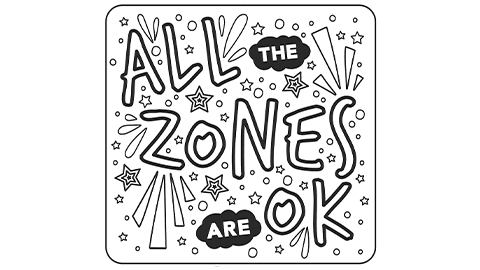
All the Zones Are OK
All the Zones are OK, as feelings are innate and it is human nature to experience a wide range of feelings that everyone is entitled to. With this self-awareness, individuals can explore healthy and adaptive tools to help regulate with goals, tasks, and well-being in mind.
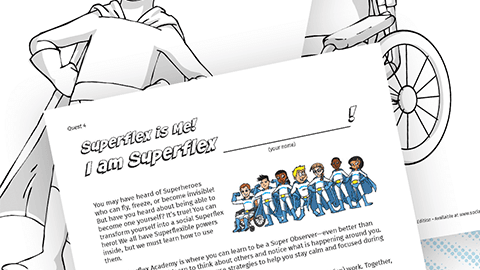
Superflex is Me!
Have you heard about being able to come a Superhero yourself? You can transform yourself into a social Superflex hero! We all have Superflexible powers inside, but we must learn how to use them.
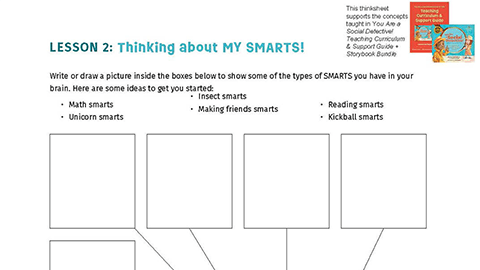
Thinking about MY SMARTS
Write or draw a picture inside the boxes to show some types of SMARTS you have in your brain. These can be math smarts, insect smarts, reading smarts, unicorn smarts, making friends smarts, kickball smarts, etc.
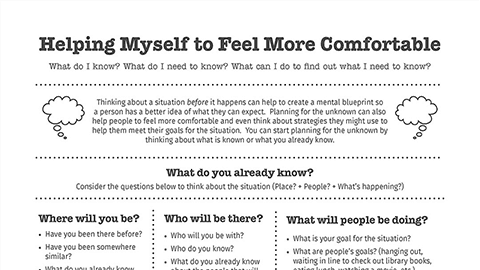
Helping Myself to Feel More Comfortable
Thinking about a situation before it happens can help to create a mental blueprint so a person has a better idea of what they can expect. Planning for the unknown can also help people to feel more comfortable and even think about strategies they might use to help them meet their goals for the situation.
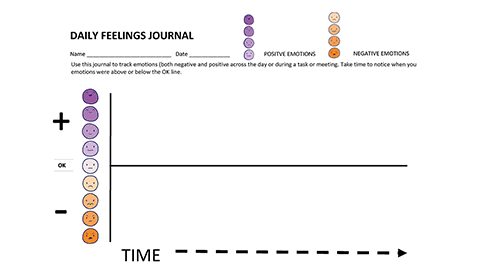
Daily Feelings Journal
Use this journal to track emotions (both negative and positive) across the day or during a task of meeting. Take time to notice when your emotions were above or below the "OK" line.

Professional Development
Unpack Topics that Are Important to You!
Unpack tools and strategies for teaching social and organizational concepts. Choose from topics such as the academic to social connection, building executive functioning, strategies for teens/tweens, teaching Superflex with fidelity, tools for early learners, and more.
Looking for personalized training? We have a team of trainers ready to customize training for you.