
Social Problem Solving


Supporting Social Learners Through Real-World Problem Solving
Every day, social learners encounter moments that call for communication, perspective taking, and flexible thinking. Whether they’re navigating group work, managing misunderstandings, or trying to make sense of others’ actions, these situations can feel complex, and sometimes overwhelming.
Social problem solving provides a clear, supportive process for understanding what’s happening, thinking through different perspectives, and choosing responses that help everyone move forward. When we pair this with collaborative teaching practices like scaffolding, asking curious questions, and reflecting together, we create space for learners to build confidence, self-regulation, and social awareness.
At Social Thinking, we design tools and strategies that break down social problem solving into teachable, accessible steps. Through relatable stories, structured supports, and meaningful practice, social learners gain a way to unpack tricky moments and explore solutions that make sense to them.
No matter where someone is starting from, we’re here to help them grow their social understanding and feel more empowered in the social world around them.
Quick Links
- Bestselling & Award-Winning Products
- On Demand Courses
CEs Available for select professionals - Free Stuff for Home & School
Webinars, Articles, Infographics, Thinking Based Lesson Plans (Thinksheets) - What is Social Thinking?

Bestselling & Award-Winning Products to Bolster Problem Solving
On Demand Courses—Practical Strategies You Can Use Right Now

Teaching the We Thinkers! Curriculum Series with Fidelity: A Short Course
This short 2-hour course is designed to give educators, therapists, and parents/caregivers an understanding of the We Thinkers! series, a metacognitive curriculum for 4- to 7-year-olds. It introduces social cognitive concepts; strategies for implementing the series with fidelity, including engineering the environment, pacing, and playing with the concepts; and highlights key components of social thinking, group formulation, and service delivery. Lessons are story-based, games oriented, and support inquiry-based learning using hands-on, multisensory teaching tools. The 90-day Recorded Replay Access begins at the time of Registration.
Download this free infographic on building social competencies for early learners.

2 hours of training and CE credit available for select professionals.
Back-to-School Strategies for Executive Function Success
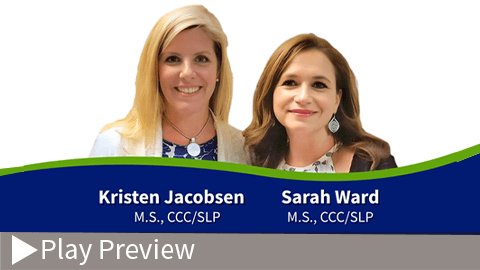
Join Sarah Ward and Kristen Jacobsen for this dynamic and practical back-to-school course that introduces powerful, ready-to-use strategies from the new Time Tracker Program, designed to help students shift from relying on adult prompting to becoming truly independent planners. This session will equip educators, therapists, and parents with concrete tools to make time visible and help students envision it, plan it, do it, and get it done! The 90-day Recorded Replay Access begins at the time of Registration.
NOTE: This course will discuss the Time Tracker Program with limited information about like products or services.
3 hours of CE credit available for select professionals.

Part 1: Strategies for Tweens/Teens Who Are Literal Thinkers and Socially Less Aware
While a literal learning system can be an absolute strength in some circumstances, it can also be a struggle when the academic and social worlds increase in complexity. This course explores how to better understand, support, and teach strategies for more literal thinkers with very literal interpretive systems. We’ll focus on strengths but will also have an honest conversation about how to listen to their individual goals while simultaneously helping them to gain skills and supported independence for adulthood in ways that make sense to them. The 90-day Recorded Replay Access begins at the time of Registration.
1.5 hours of CE credit available for select professionals.

Part 2: Tools for Academically Strong Tweens/Teens with Lagging Social Strategies
Explore the needs of students who desire friendships and relationships with their peer group but struggle with accessing social strategies in the moment. These students often exhibit solid to strong academic and language learning strengths, but report having social and academic goals that are impacted by compelling anxiety, perfectionism, executive functioning skills, and a lack of access to practical tools. The 90-day Recorded Replay Access begins at the time of Registration.
1.5 hours of CE credit available for select professionals.

Concentration & Focus Disruption in the Digital Age & What to Do About It
The way most of us concentrate and focus our attention on things that matter has undergone a dramatic disruption in the past two decades. While what we need to do can be enhanced by technology, there are potentially even more digital factors that get in the way of meeting one’s academic, employment, and/or social goals. In this course, we will use a developmental lens as we introduce strategies to help students problem solve and self-evaluate how they set goals, make plans, and stay on task to foster executive functioning, while simultaneously and constantly being distracted by digital tools such as screens, phones, and watches. We’ll also take a deeper look at the latest research related to concentration and focus. The 90-day Recorded Replay Access begins at the time of Registration.
1.5 hours toward CE credit, available for select professionals.
Implementing Social Thinking Concepts and Vocabulary
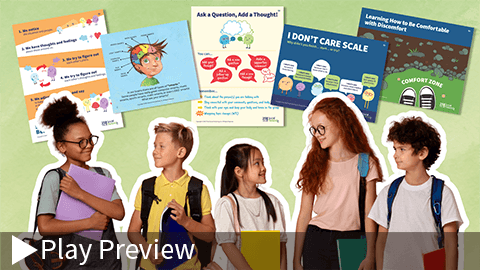
Both teachers and learners need practical ways to think about the social world. In this introductory course, you will learn 15+ practical teaching strategies using Social Thinking Vocabulary and visual frameworks. The activities from this course focus on making abstract social information more concrete through lessons to teach social learners how to socially attend, interpret, problem solve, and respond to social information. Activities will also focus on strategies for teaching emotional understanding, theory of mind/perspective taking, and executive functioning to help learners meet their own social goals. Note: This course is introductory and designed for those who are new to Social Thinking or just want to expand how they teach lessons from the Social Thinking Methodology. The 90-day Recorded Replay Access begins at the time of Registration.
4.5 hours of training and CE credit available for select professionals.
Social Thinking Is Academic Thinking: Making Connections Using the ILAUGH Model
Discover an array of concepts and strategies that bolster social learning and help students meet socially based educational standards. Explore the ILAUGH Model of Social Cognition to help break down and make sense of the social world. Uncover how differences and/or challenges in social communication, executive functioning, and perspective taking impact written expression, reading comprehension of literature, organizational skills, and working in a group. Learn strategies to support students, clients, and patients in each of the above! Rounding out the day: learn tips for student-driven goal writing and data keeping. Note: This course is introductory and designed for those who are new to Social Thinking or just want to expand how they teach lessons from the Social Thinking Methodology. The 90-day Recorded Replay Access begins at the time of Registration.
5.5 hours of training and CE credit available for select professionals.
Free Stuff for Home & School
Access free webinars, articles, infographics, and thinking based lesson plans (thinksheets) to help students improve their problem solving. Our free stuff are tools to break down, think through, and practice specific social concepts and strategies to support the development of problem solving.

Let's LAUNCH Let’s Solve It!

Embedding Social Thinking TPT and other Free Lessons into your Teaching
How to Ask for Help
Free Articles, Infographics, and Thinking Based Lesson Plans (Thinksheets)
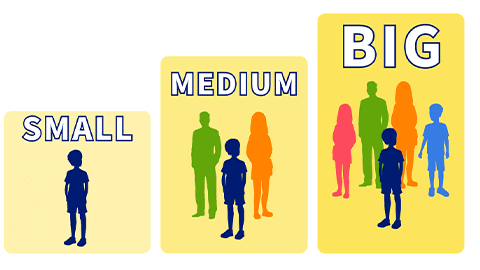
Teaching the Size of the Problem in a Manner Friendly to All Neurotypes
Learn how to teach strategies for problem-solving using the concept of size of the problem. Size of the Problem is often taught in a manner that is forgets to emphasize problem-solving so this article expands practical ways to teach the concept for all neurotypes.
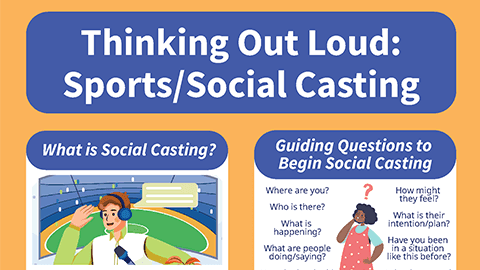
Thinking Out Loud: Sports/Social Casting
Like a sportscaster for daily life, Social Casting (or Thinking Out Loud) helps kids decode social environments, promoting awareness and empathy through guided observation. Adults serve as a social narrator, making the invisible - visible - and giving kids tools to better understand group dynamics. It’s a powerful way to teach the 'why' behind what people do and say without judgment. Over time, it helps build the student’s competencies in observing, interpreting, and anticipating social outcomes. Download the Infographic to Teaching Social Casting.

How Can We Rally Our Motivation?
Most of us find motivation to do stuff we like or that interests us. But how do we rally our motivation to do things when we feel sad or anxious, or when tasks are complex, or take a lot of time, effort, and thought? This article explores evidence-informed and practice-based tips, tools & strategies to help individuals of all ages overcome such motivation when dealing with anxiety, depression, lagging social and/or organizational competencies, and negative self-talk. Download the How to Solve Problems Before (or After) They Become Problems Lesson Plan.
What is Social Thinking?
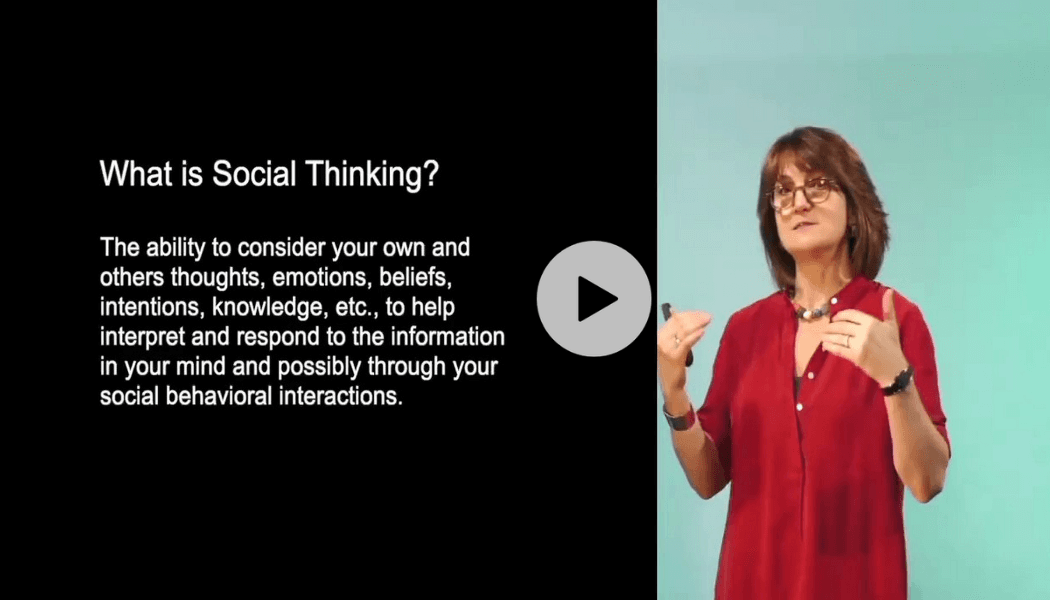
Develop Social Competencies
The Social Thinking Methodology provides evidence-based strategies to help people ages four throughout adulthood develop their social competencies, flexible thinking, and social problem solving to meet their own social goals and improve:
- Conversation & social connection
- Executive functioning
- Friendship & relationship development
- Perspective taking
- Self-regulation
- Social Thinking Vocabulary
- Social Problem Solving